
How does K9 4 Kids teach responsibility to youth?


Kevin arrived at the shelter as a stray. He possessed no training, zero impulse control, and a deep mistrust of humans. At the same time, a teenager named Marcus entered our facility in San Martin. Marcus struggled with authority. He felt aimless. He carried a label from school that said "at-risk."
These two did not need pity. They needed a job.
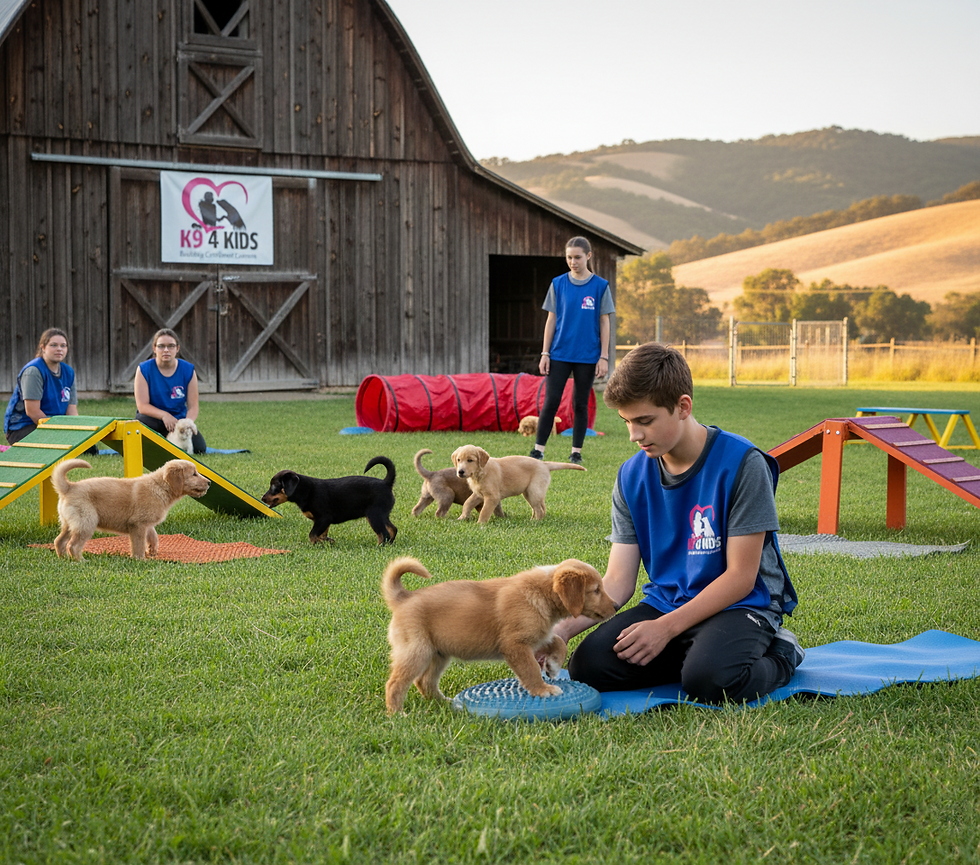
Most people view dog rescue as an emotional endeavor. They picture soft moments and gentle bonding. At K9 4 KIDS, we take a different approach. We believe responsibility is not a theory. It is a physical action. We do not sit in circles and talk about feelings. We hand a young person a leash. We explain that the animal on the other end depends on them for survival.
This blog, How does K9 4 Kids teach responsibility to youth? explains how our unique program transforms "at-risk" behavior into executive leadership skills through the rigorous, unglamorous, and rewarding work of high-stakes dog rescue.
How does K9 4 Kids teach responsibility to youth? The Difference Between Passive Therapy and Active Work
Many programs offer "therapy dog" visits. A handler brings a calm, trained Golden Retriever to a school. Children pet the dog. They feel better for an hour. This provides comfort.
We do not provide comfort. We provide competence.
Our youth do not visit trained dogs. They build trained dogs. The distinction matters. When a teenager enters our program, they step into a workplace. The dogs in our care often arrive with baggage. They pull on leashes. They bark at strangers. They soil their kennels. They require rehabilitation before adoption is possible.
Responsibility Requires Stakes
A therapy dog tolerates mistakes. A rescue dog reacts to them. If a student loses focus while handling a reactive dog, the dog lunges. The feedback is immediate. The student learns that their attention determines the safety of the pack. This creates a high-stakes environment where focus becomes mandatory.
Passive interaction requires zero demand on the youth. Active rehabilitation requires total engagement. This shift from "receiving affection" to "providing leadership" defines our method.
Sanitation and Kennel Management Build Discipline
The foundation of our program is not dog training. It is sanitation.
Before a student touches a leash, they must master the kennel. This work is difficult. It smells. It requires physical exertion. A dog cannot live in a dirty run. The risk of disease in a kennel environment is high. Parvovirus and giardia wait for a missed cleaning step.
The Daily Routine Demands Consistency
Our youth learn that reliability beats talent. A dog needs breakfast at 7:00 AM. It does not matter if it rains. It does not matter if the student feels tired. The biological needs of the animal dictate the schedule.
Students perform the following tasks daily:
Scrubbing floors with industrial sanitation fluid.
Measuring food to exact gram weights for specific dietary needs.
Removing waste immediately to prevent contamination.
Checking water lines for functionality.
This is Youth and Canine Training in its rawest form. When a teenager scrubs a floor to protect a puppy from illness, they understand their actions have value. They see the direct link between their hard work and the health of another living being.
Attention to Detail Saves Lives
We teach students to observe. A loose latch means an escaped dog. A missed medication dose causes health regression. We inspect their work. If a kennel is not clean, they do it again. We do not accept "good enough." This standard shocks many youths initially. Over time, they take pride in the precision of their work. They realize they are capable of excellence.
Behavioral Training Mirrors Self-Regulation
Dogs act as bio-feedback machines. They read heart rate, body posture, and energy levels. A nervous handler creates a nervous dog. An aggressive handler creates a defensive dog.
To train a dog, the student must first control themselves. We call this the "Mirror Effect."
The "Sit" Command as an Exercise in Patience
Teaching a rescue dog to "Sit" requires repetition. It might take fifty tries. If the student becomes frustrated, the dog shuts down. The student must take a breath. They must reset their body language. They must ask again with clarity.
This process forces emotional regulation. The student cannot manipulate the dog with words. They must lead with calm, consistent energy. According to the National Institutes of Health (NIH), animal-assisted interventions significantly reduce aggression and improve impulse control in adolescents. The dog forces the youth to practice patience in real-time.
Leadership Without Force
We teach our students that leadership is not dominance. It is guidance. They learn to use their voice and stance to direct the animal. They must be firm but fair. This balance helps youth who struggle with anger management. They learn that yelling fails, but clear direction succeeds.
Handling Big Dogs Requires Focus and Respect
We specialize in Big Dog Rescue. We work with German Shepherds, Huskies, and Pit Bull mixes. These animals possess power.
Handling a 70-pound dog requires physical respect. The student cannot check their phone. They cannot daydream. They must scan the environment for triggers. Is there a cat? Is there a loud truck?
Situational Awareness and Safety
This vigilance builds situational awareness. The student becomes the protector. They advocate for the dog. They learn to anticipate problems before they happen. This is a vital executive function skill.
Safety protocols include:
Double-checking collar tightness.
Maintaining a "safety loop" on the leash.
Positioning their body between the dog and potential threats.
Managing a powerful animal builds confidence. A teenager who felt small or powerless now guides a large, strong animal with a simple command. This changes their self-image.
Understanding the "Work-Reward" Cycle
Modern society often separates effort from reward. In our kennel, the connection is linear.
If the student trains the dog, the dog gets to walk. If the student cleans the yard, the dogs get play groups. The reward follows the labor. There are no shortcuts.
The Philosophy of Earned Trust
A rescue dog does not trust automatically. The student earns that trust. It might take weeks for a fearful dog to approach a student. When that moment happens, the student knows they earned it. It was not a gift. It was a payment for consistency. This validates their character. It proves they are trustworthy. Read more about our philosophy and team to understand how we structure these interactions.
The Ultimate Lesson: Letting Go
The hardest part of our program is the end.
A student spends months with a specific dog. They rehabilitate it. They bond. They love the animal. Then, the dog gets adopted. The student must hand the leash to a stranger.
Selflessness Over Possession
This teaches the highest form of responsibility: acting for the benefit of another. The student works not to keep the dog, but to save it. They prepare the animal for a better life.
We have the students write "hand-off" notes for the new owners. They explain the dog's quirks. They advise on feeding. They become the expert passing on knowledge. This transition is painful but necessary. It creates a sense of contribution. They played a role in a happy ending.
Data Supports This Approach
Our observations align with broader research. Vocational training with animals reduces recidivism. The University of Washington notes that prison dog training programs drastically improve social skills and reduce repeat offenses. The responsibility is the mechanism of change.
We see similar results in San Martin. Grades improve. Family relationships stabilize. The discipline learned in the kennel travels home.
Frequently Asked Questions About Our Youth Programs
Does the program accept youth with no dog experience?
Yes. We assume zero prior knowledge. We teach every skill from the ground up, including sanitation, safety, and handling. The only requirement is a willingness to work and follow safety instructions.
How does dog training improve school performance?
The routine builds executive function. Students learn to plan, organize, and execute tasks. The focus required to handle a dog translates to better focus in the classroom. Success in the kennel builds the confidence needed to tackle academic challenges.
Is it safe for teens to work with rescue dogs?
Safety is our primary operational rule. We vet every dog for aggression before student interaction. Students start with easier dogs and advance only when they demonstrate competence. Professional trainers supervise all interactions.
What acts of service count for school credit?
Our program qualifies for community service hours for many local schools. Tasks include kennel sanitation, feeding, grooming, and socialization. We provide documentation of hours worked for school counselors or probation officers.
How do we apply for the program?
Interested families or agencies must schedule an intake interview. We assess the youth's readiness and match them with appropriate tasks. We demand commitment. This is a job, not a drop-in activity.
Take the Next Step in Youth Rehabilitation

Responsibility is a muscle. It requires exercise to grow. K9 4 KIDS provides the gym.
We invite parents, educators, and social workers in Santa Clara County to witness this process. Do not just read about it. Come see a teenager lead a German Shepherd through a distraction course. Come see the pride in their eyes when a dog obeys a command.
If you know a young person who needs purpose, or if you want to support our Dog Rescue operations, reach out to us. We serve the San Martin community with pride.
Contact our San Martin facility today to schedule a tour or discuss enrollment.


Comments