
The "Should We Get a Puppy vs. Rescue" Debate for Families


Families in the South Bay region face a critical decision when adding a canine to their household. You must evaluate the operational requirements of raising a dog alongside your current lifestyle constraints. Expect rigorous demands on your time, finances, and property. K9 4 KIDS provides regional expertise in animal welfare and social impact programming through https://www.k94kids.org/. Our facility manages canine behavior modification and youth rehabilitation protocols simultaneously. The integration of these two fields yields measurable benefits for the Morgan Hill, San Martin, and Gilroy communities. You will find actionable data below to inform your acquisition strategy of getting a Puppy vs. Rescue dog. Your choices dictate the success of the integration process within your home. We approach this debate using objective behavioral science and localized 2026 adoption statistics.
Analyzing the Puppy Land Shark Phase Versus Adult Dog Stability
Prospective owners often romanticize the initial months of canine ownership. You must look past the visual appeal of a juvenile dog. Puppies require constant supervision, strict feeding schedules, and intensive housebreaking routines. The failure to maintain these systems results in property destruction and behavioral regressions. Adult dogs offer predictable baselines. You observe a mature temperament, a defined physical size, and established behavioral patterns.
Is it better to get a puppy or a rescue dog for a toddler?
A rescue dog with a documented behavioral history is superior to a puppy for households with young children. Puppies enter a prolonged developmental stage involving intense mouthing and biting behaviors. The San Francisco SPCA defines these juvenile dogs as teething land sharks. They display unpredictable adult temperaments. A toddler lacks the physical coordination to correct or evade a hyperactive puppy safely. Adult rescues offer stability. What you see is what you get. A mature dog with positive temperament tests provides a safer environment for a toddler. A rescue organization evaluates the animal around resources like food and toys to ensure safety. You review these documented assessments before finalizing the adoption.
The Hidden Costs of Teething and Unpredictable Temperaments
Puppy acquisition incurs significant hidden costs. You will replace damaged furniture, clothing, and children's toys. The time investment requires continuous monitoring to prevent accidents and establish baseline obedience. Sleep disruption negatively impacts your daily productivity. Training a puppy demands hundreds of hours of repetition. You must implement strict crate training protocols to manage the animal during unsupervised periods. Adult rescues arrive past the teething phase. You eliminate the destruction associated with canine dental development. Adult dogs sleep longer and adapt to human schedules faster. You invest your time in advanced obedience training instead of basic survival management. Your family skips the intensive labor phase and moves directly into companionship.
2026 Legal Realities for South Bay Dog Buyers
The regulatory framework governing canine sales in California demands your attention. You risk legal and financial exposure when purchasing animals from unverified sources. Rescues operate within strict compliance structures. You receive full medical disclosures, vaccination records, and behavioral assessments.
What are the 2026 California laws on buying puppies online?
The Puppy Importation Transparency Act, Senate Bill 312, enforces strict health tracking for all animals entering the state effective January 1, 2026. The California State Senate mandates comprehensive medical documentation for breeders. Unregulated online puppy sales pose extreme financial risks. Buyers often receive sick animals with falsified vaccination records. Local animal control agencies prosecute individuals participating in illicit animal transport. Rescues maintain compliance with these new regulatory standards.
Navigating the California Pet Broker Loophole AB 519
Unscrupulous sellers exploit Assembly Bill 519 to disguise commercial breeding operations as small-scale hobbies. You face a high probability of acquiring a dog with genetic defects when interacting with these brokers. Local rescues eliminate this risk. Non-profit organizations conduct thorough veterinary screenings. You receive an animal cleared of infectious diseases and major genetic abnormalities. Supporting transparent rescue operations protects your family from the emotional and financial devastation of emergency veterinary care. You refuse to fund unregulated breeding facilities by choosing established rescue pipelines.
The South Bay Crisis Involving Large Breeds
San Martin and surrounding municipalities face an unprecedented volume of displaced animals. You must understand the localized data driving this regional crisis. Economic shifts and housing density policies directly impact the canine population in local kennels.
Why are big dogs harder to adopt out in the South Bay?
Large breed surrenders increased 15 percent in California during 2026. Housing constraints and financial pressures force owners to relinquish animals weighing over 50 pounds. Landlord restrictions disproportionately target large breeds. Adopting a sizable canine constitutes a high-impact social act. You actively relieve the burden on municipal facilities. K9 4 KIDS manages this specific demographic. Review our protocols at https://www.k94kids.org/our-programs/big-dog-rescue. We prioritize the stabilization and placement of large breeds within equipped households.
How Regional Shelters Address Kennel Stress
The physical environment of a kennel degrades the mental health of large breeds. Concrete runs and continuous noise exposure elevate cortisol levels. Animals display barrier reactivity and stereotypic pacing behaviors. Strict kennel hygiene standards require daily sanitization using specialized chemical compounds. These cleaning protocols produce strong olfactory stimuli, further stressing the animal. Best Friends Animal Society data designates California a high-priority state for shelter intervention due to these compounding factors. Regional facilities in Morgan Hill and San Martin deploy mitigation strategies. Managers implement foster-to-adopt protocols and field trip excursions. Removing the animal from the kennel environment reduces stress markers, normalizes olfactory inputs, and facilitates accurate behavioral assessments. You support these crucial interventions by choosing adoption over retail purchases.
Youth-Canine Rehabilitation and the 3-3-3 Rule
Animal welfare intersects directly with human social impact programming. You witness profound psychological shifts when pairing structured canine training with targeted youth mentorship. Our facility engineers these interactions to produce measurable behavioral improvements in both demographics.
How do youth-canine programs help troubled teens in California?
Dog-Assisted Therapy significantly reduces externalizing symptoms and inattention in young individuals. A 2026 study published in Frontiers in Psychology confirms these clinical outcomes. Participants decrease social problem scores from a baseline of 73 to 69.67. The responsibility of canine management forces the individual to develop impulse control. K9 4 KIDS operationalizes this data. Explore our methodology at https://www.k94kids.org/our-programs/challenged-youth. We channel the energy of challenged youth into structured obedience training.
Synchronized Rehabilitation and Emotional Regulation
Technical trainers rely on the 3-3-3 Rule for canine acclimation. The animal requires 3 days to decompress, 3 weeks to learn the routine, and 3 months to feel at home. During the initial three days, the animal experiences an adrenaline crash resulting in lethargy or avoidance behaviors. K9 4 KIDS introduces a specialized variable during the three-week phase. Our youth participants act as the stability bridge. The teenager leads the canine through fundamental commands like Place and Touch using precise timing and clear body language. The dog learns to trust human leadership through consistent boundaries. The teenager learns emotional regulation and clear communication. The animal mirrors the emotional state of the handler. If the teenager acts erratic, the dog displays anxiety. This feedback loop forces the young person to maintain a calm exterior. This synchronized rehabilitation model creates a superior companion animal. A commercial breeder fails to replicate this dual-impact training environment.
Building Empathy Through Shelter-to-Service Pipelines
Structured training protocols yield long-term societal benefits. You provide an animal with a defined purpose while equipping a young person with valuable technical skills. This process transforms discarded animals into highly functional working dogs.
Can a rescue dog be trained as a service animal by a teenager?
A teenager has the capacity to train a rescue dog as a service animal under professional supervision. The shelter-to-service pipeline requires rigorous behavioral modification. The dog must demonstrate complete neutrality in public spaces, ignoring food on the floor, loud noises, and unfamiliar dogs. The teenager runs daily sessions focused on desensitization and task acquisition. Training protocols involve strict operant conditioning techniques. The handler uses positive reinforcement markers to shape complex behaviors. The trainer develops profound empathy while observing the animal process complex environments. This rigorous process weeds out reactive dogs and identifies ideal candidates for families requiring specialized support. You receive an animal conditioned to maintain focus under extreme distraction.
Structuring Your Family Adoption Readiness Checklist
You must evaluate your operational capacity before acquiring a dog whether Puppy vs. Rescue. Use this structured checklist to determine your readiness for an adult rescue integration.
Daily Schedule Assessment: You have two uninterrupted hours daily for exercise and active training.
Financial Allocation: You possess a dedicated emergency veterinary fund.
Spatial Requirements: You control a secure perimeter for a large breed animal to decompress.
Behavioral Commitment: You agree to strictly enforce the 3-3-3 Rule upon arrival.
Patience Protocol: You accept the animal will make mistakes during the initial transition period.
Taking the Next Steps in San Martin
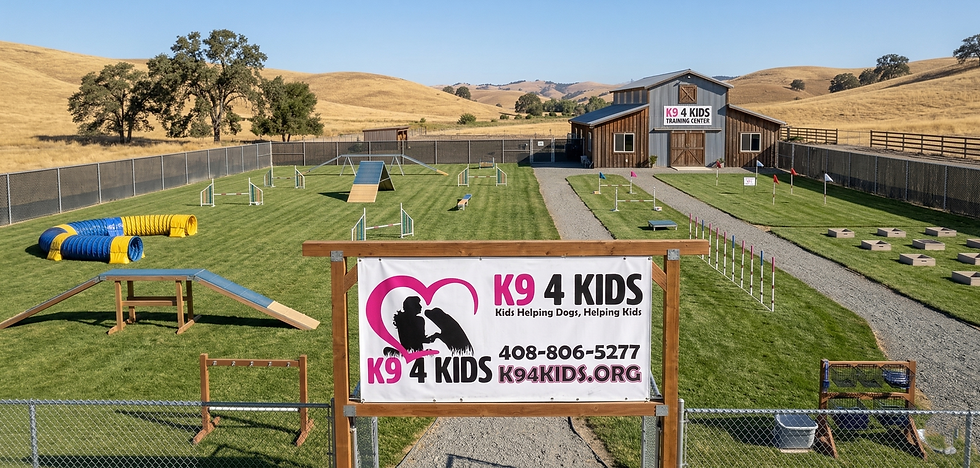
Your decision directly impacts the local canine population and youth development initiatives. You must secure an animal matching your household capabilities while supporting ethical welfare practices.
Engaging with Local Youth Mentorship and Pet Rehabilitation
Choosing an adult rescue dog supported by youth-canine rehabilitation ensures you receive a stable companion. You participate in a localized solution addressing both shelter overpopulation and youth development. Study our facility history and operational directives at https://www.k94kids.org/about-us. We invite you to inspect our protocols and view our available animals. Schedule an evaluation or submit your program inquiries directly through https://www.k94kids.org/contact. You will find the ideal canine match while supporting the San Martin community.
Frequently Asked Questions
Is it better to get a Puppy vs. Rescue dog for a toddler?
A rescue dog with a documented behavioral history is superior to a puppy for households with young children. Puppies display intense mouthing and biting behaviors with unpredictable adult temperaments. Adult rescues offer stability and safety.
What are the 2026 California laws on buying puppies online?
The Puppy Importation Transparency Act, Senate Bill 312, enforces strict health tracking for all animals entering the state effective January 1, 2026. This mandate requires comprehensive medical documentation, making unregulated online puppy sales a high risk.
Why are big dogs harder to adopt out in the South Bay?
Large breed surrenders increased 15 percent in California during 2026 due to housing constraints and financial pressures. Landlord restrictions disproportionately target dogs weighing over 50 pounds, making local rescues critical.
How do youth-canine programs help troubled teens in California?
Dog-Assisted Therapy significantly reduces externalizing symptoms and inattention in young individuals. The responsibility of canine management forces the individual to develop impulse control and emotional regulation.
Can a rescue dog be trained as a service animal by a teenager?
Yes, a teenager has the capacity to train a rescue dog as a service animal under professional supervision. The teenager runs daily sessions focused on desensitization and task acquisition, developing profound empathy.


Comments