
How Youth Can Participate in Dog Sports and Competitions


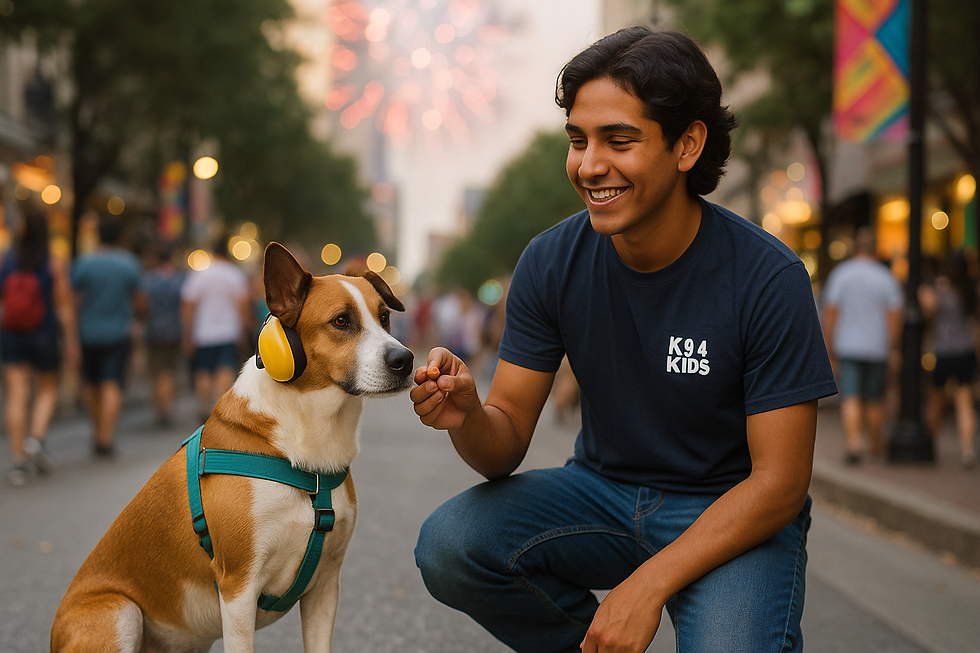
Imagine the energy in a show ring as a border collie rockets over a jump and a smiling teenager nails the perfect handling cue. That scene captures everything youth dog sports and junior dog competitions are about—movement, partnership, and the kind of confidence you just can’t get from screen time. At K9 4 KIDS we’ve watched shy kids transform into team leaders once they step onto the agility field with their canine partner. In this guide you’ll learn exactly how to start that journey and where dog-loving families in South Bay can find the right classes, clubs, and competitions and learn how youth can participate in dog sports and competitions.
Why Dog Sports Are the Ultimate Youth Activity
Dog sports tick every box parents look for in a healthy hobby: physical exercise, mental focus, social growth, and pure fun. Better yet, they welcome kids from eight through eighteen—including those who thrive on structure or need positive outlets through Challenged Youth Services and Big Dog Rescue programs.
Physical, Mental & Social Benefits
Running weave-poles, practicing obedience patterns, and timing sprints for Fast CAT add up to a full-body workout. A 2024 Oregon State study found youth handlers averaged 17 extra active minutes per day compared with peers in traditional sports. Mentally, memorizing course maps boosts problem-solving, and socially, show weekends feel like instant community—everybody cheers for a clean run.
Building Empathy & Responsibility Through Canine Partnerships
Feeding on schedule, brushing coats, and tracking training logs teach accountability. Parents tell us the biggest change happens at home: kids pick up toys and homework because they grasp that consistency helps both dog and human succeed. Learn more about our mission on the About Us page.
Popular Dog Sports Youth Can Try
Whether your family loves speed or prefers precision drills, there’s a sport to fit every personality.
Agility & Fast CAT – High-Energy Fun
Agility courses pack tunnels, seesaws, and jumps into 45-second adrenaline blasts. Fast CAT is even simpler: a 100-yard dash after a lure. The dog-agility equipment market surpassed USD 300 million in 2023—proof that youth demand is soaring.
Obedience, Rally & Scent Work – Precision & Problem-Solving
Obedience routines showcase flawless sits and heel turns. Rally adds numbered stations so handlers read signs and direct dogs in real time. Scent Work taps into a dog’s super-nose to locate hidden cotton swabs. These sports favor methodical kids who enjoy puzzles.
Junior Showmanship & Conformation – Show-Ring Skills
Handled correctly, even a rescue pup can strut alongside purebreds while judges evaluate gait and grooming. Age limits sit at 9–18, and the AKC Juniors Organization sets national rules, scholarships, and championship titles.
How Youth Can Participate in Dog Sports and Competitions, Getting Started: A Step-by-Step Guide
Ready to trade Netflix marathons for weave-poles? Follow this roadmap.
Choosing the Right Dog – Purebred or Rescue
Any breed—or mix—can compete, provided temperament fits the sport. Energetic herding breeds excel in agility, while patient retrievers shine in obedience. If you’re still searching for a partner, check out our Big Dog Rescue program where teens train rehabilitated giants into gentle athletes.
Training Foundations & Safety Prep
Start with basic cues (sit, down, stay) in short five-minute sessions. Use age-appropriate equipment—no high jumps for puppies whose joints are still growing. A quick vet visit ensures vaccinations are current and your canine is cleared for athletics.
Finding Programs, Clubs & Competitions Near You
Parents are often shocked at how many resources sit within a thirty-minute drive.
AKC Juniors, 4-H & Local Clubs
Search the AKC club finder or your county 4-H office for dog project leaders. The 4-H Dog Handbook outlines eligibility (ages 8–18) and minimal fees—sometimes just five dollars a semester. Local trainers who offer Dog kennel San Martin boarding often host weekend run-throughs so newcomers can practice without the pressure of full trials.
Scholarships & K9 4 KIDS Youth Clinics
Cost should never block a dream. Our annual agility clinic waives entry fees for the first twenty participants from the Challenged Youth initiative. We also loan starter gear and arrange transport for families without reliable vehicles.
Spotlight: Empowering Challenged Youth & Rescue Dogs
Some organizations talk inclusion—K9 4 KIDS does it.
Success Stories – From Shelter to Show Ring
Meet Luna, an abandoned husky who once cowered in corners. After six months with 14-year-old Mateo she sprinted a nine-second Fast CAT, earning a regional ribbon. Their story proves athletic wins are secondary to the unbreakable bond youth and rescue dogs forge.
How Dog Sports Transform Troubled Teens
A 2022 study in Frontiers in Veterinary Science showed juniors who experienced mentorship and small victories stayed in dog sports well into adulthood (full article). For teens navigating anxiety or adversity, positive-reinforcement training rewires the brain toward patience and persistence—skills that spill into schoolwork and social life.
Preparing for Your First Competition
Give yourselves six weeks and this checklist.
Gear Checklist & Budget-Friendly Hacks
Crate or soft pen
Six-foot leash and back-attach harness
High-value treats in a waist pouch
Travel water bowl
Regulation jump bar (PVC pipe costs under $10 at any hardware store)
DIY tip: convert used playground cones into weave-poles—perfect for backyard practice.
Ring Etiquette, Rules & What Judges Look For
Arrive early, potty your dog, and watch novice runs to grasp flow. Judges reward teamwork and handler awareness over pure speed, so keep an upbeat attitude—even if your terrier decides the pause table is optional. Sportsmanship counts; congratulate rivals and thank volunteers.
Confidence-Building Timeline (Weeks 1–12)
Week | Goal | Handler Skill | Dog Skill |
1–2 | Bonding & Basics | Clicker timing, reward placement | Name response, sit, down |
3–4 | Intro to Obstacles | Body awareness, leash handling | Tunnel, low jump |
5–6 | Short Sequences | Voice projection, course walking | Two-obstacle combos |
7–8 | Trial Environment | Reading maps, ring etiquette | Distractions, start-line stay |
9–10 | Mock Trial | Tempo control, positivity under pressure | Full novice course |
11–12 | First Official Run | Goal-setting, sportsmanship | Competition cue fluency |
Use this roadmap to set realistic milestones and celebrate small victories along the way. Progress isn’t always linear—especially when adolescent dogs and human teenagers learn together.
Health & Wellness Checks
Youth sometimes forget that canine athletes need conditioning just like quarterbacks do. Incorporate:
Warm-Ups: Two minutes of weaving through your legs or side-stepping primes muscles.
Cool-Downs: Gentle leash walks and passive stretching reduce lactic-acid build-up.
Cross-Training: Swimming at the local reservoir or balance-disc drills boosts core strength and prevents overuse injuries.
Local veterinarians who partner with Dog kennel San Martin facilities often offer reduced-fee sports physicals when you show proof of junior-handler status.
Leveraging Community Support & Volunteering
One secret weapon behind sustained junior participation is mentorship. Offer to steward at trials, reset jump bars, or photograph runs. Volunteering teaches event logistics, builds résumés, and sometimes earns free class credits.
Fundraising Ideas to Keep Sports Affordable
Host a monthly dog-washing booth at the Saturday farmers market—youth learn customer service while dogs leave squeaky-clean.
Sell custom tug toys made from recycled climbing rope.
Apply for micro-grants from local service clubs; highlight how dog sports deter risky behaviors in teens.
Community engagement also attracts backlinks when newspapers cover your youth success stories, boosting overall SEO for K9 4 KIDS.
Next Steps & How K9 4 KIDS Can Help

Your child’s first clean run is only the beginning. We offer weekly Youth and Canine Training classes, Saturday Dog Washing San Martin fundraisers that double as socialization outings, and seasonal camps. Contact us today to reserve a trial lesson or volunteer slot.
Conclusion: Unleash Your Potential Today
When young handlers team up with motivated canines, magic happens. Dog sports sharpen minds, strengthen bodies, and open doors—whether your goal is a national title or simply a new after-school passion. Let K9 4 KIDS walk beside you on that journey: adopt, train, compete, repeat.
Frequently Asked Questions
What age can kids start dog sports like agility or showmanship?
Most programs welcome youth from eight years old (4-H) or nine years old (AKC Juniors) up to eighteen.
Can my child compete with a rescue dog?
Absolutely. Many organizations—including ours—celebrate mixed breeds and rescue partners in companion events such as Rally or Scent Work.
How expensive are youth dog competitions?
Entry fees range $15–$35 per class; scholarships and club discounts often offset costs for juniors.
Do we need a purebred to join AKC events?
No. Enroll your mixed-breed in AKC’s Canine Partners program to access the same sports and titles.
Where can we find local youth dog clubs in South Bay?
Start with the AKC club locator, your county 4-H extension, or trainers who offer Dog Training San Martin services.


Comments