
Creating a Safe Environment for Dogs and Children: Tips and Strategies

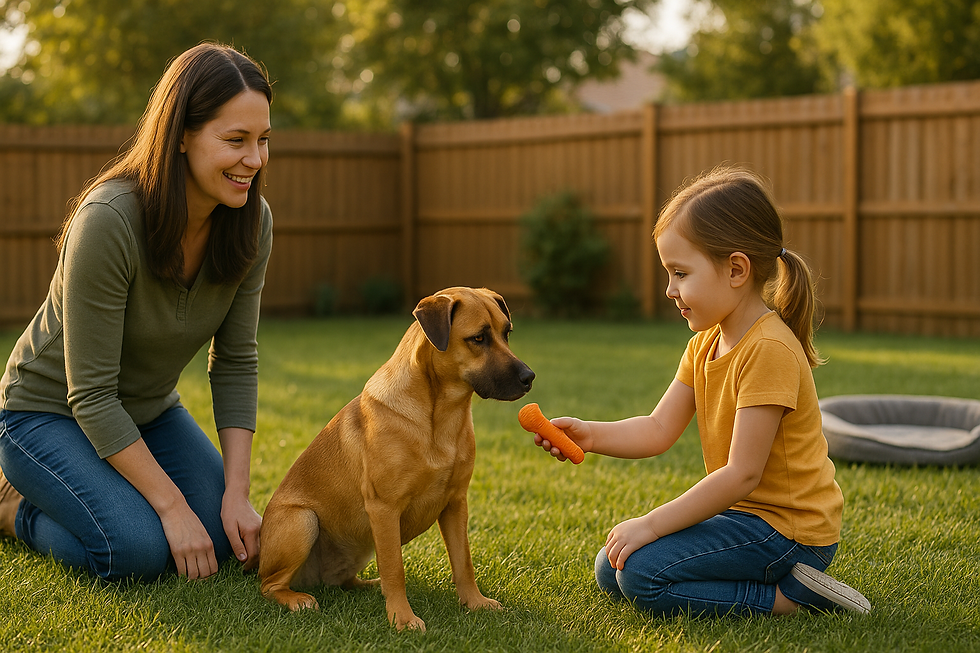
If you have children and dogs in the same home, creating a safe, positive environment is essential. Both kids and pets thrive when clear boundaries, proper training, and supportive environments are in place. With the right strategies, families can enjoy the benefits of canine companionship while avoiding unnecessary risks.
Understanding the Risks and Benefits of Dog-Child Interactions
The Positive Role of Dogs in Child Development
Dogs help children build empathy, responsibility, and confidence. Studies, such as those cited in Psychology Today, show that children who interact with dogs regularly release oxytocin, a hormone linked to improved mood and lower stress. These interactions are especially valuable in households where children may struggle with anxiety or social challenges.
Recognizing Potential Risks and Challenges
While the benefits are real, unsupervised or unstructured interactions can lead to problems. According to Pediatrics West (2023), most incidents involving dogs and children result from missed stress signals, such as a tucked tail or pinned-back ears. When children aren’t taught to respect these signs, conflicts can escalate to bites or injuries.
Creating a Safe Environment for Dogs and Children: Preparing Your Home: Pet-Proofing and Safe Spaces
Pet-Proofing Strategies for Families
Creating a safe home for dogs and kids starts with thoughtful adjustments. Install baby gates, keep hazardous cleaning supplies out of reach, and cover trash bins. Encourage children to put away toys that might confuse dogs or cause resource guarding. Preventive Vet recommends making sure dogs have safe access to water and feeding areas away from kids.
Creating Safe Spaces for Both Dogs and Kids
Dogs need a calm retreat where they can rest undisturbed, while kids need designated play zones. Crates, kennels, or quiet corners can reduce stress for pets. This aligns with K9 4 KIDS’s Big Dog Rescue program, which emphasizes structured environments to help dogs feel secure.
Training for Success: Teaching Kids and Dogs Together
Dog Training Techniques that Work with Children
Positive reinforcement is the most effective and safe method. Reward-based training allows children to participate actively by offering treats or praise during exercises. Research published in PMC.gov (2024) on prison-based dog training shows that consistent reinforcement benefits both people and animals.
Educating Kids to Respect Dog Boundaries
Children must learn not to climb on, chase, or grab dogs unexpectedly. Teaching them to recognize stress signals like lip licking or excessive yawning is essential. Programs like K9 4 KIDS’s Challenged Youth initiative integrate these lessons to improve safety and empathy for both parties.
Supervision and Everyday Safety Practices
When and How to Supervise Play
An adult should always supervise interactions between children and dogs. One-to-one supervision is best, especially when dogs are newly adopted or still adjusting. Daily Mom emphasizes that incidents often happen in “just a moment” of distraction, so constant awareness is key.
Establishing Household Safety Rules
Families should establish clear rules: no disturbing dogs while eating or sleeping, no climbing on them, and no rough play. These guidelines help reduce stress and prevent misunderstandings. For more comprehensive advice, the Orvis Family Dog Safety Guidelines provide excellent additional tips.
Community Programs and Rescue Success Stories
How Troubled Youth Benefit from Working with Rescue Dogs
Research shows that structured programs connecting youth with rescue dogs reduce anxiety and improve social outcomes. The Joybound 2023-24 Impact Report notes that these interactions help both kids and dogs build trust and resilience. K9 4 KIDS’s model is unique in the Bay Area because it focuses on pairing youth with large-breed rescues that need consistent structure.
Adoption and Rescue Programs Supporting Families
Families who adopt rehabilitated dogs often enjoy calmer pets who are already trained for safe interactions. The About Us page shares how K9 4 KIDS programs prepare dogs for adoption, helping them integrate smoothly into homes with children.
Practical Checklist: Building a Safe Dog-Child Household
Supervise every interaction between dogs and kids.
Provide safe zones for both parties.
Teach kids to respect boundaries and read dog signals.
Use positive reinforcement for training.
Establish household safety rules that everyone follows.
These practices, backed by data from the Shelter Animals Count 2024 Report, provide a proven framework for safe, sustainable relationships. Families ready to implement these strategies can contact K9 4 KIDS directly for guidance and support.
Conclusion: Creating a Safe Future for Both Dogs and Kids
Building a safe environment for dogs and children requires awareness, structure, and support. By teaching kids to respect dogs, preparing homes with safety in mind, and engaging in programs like those offered by K9 4 KIDS, families can create lasting bonds that benefit everyone.
How K9 4 KIDS Can Assist

Are you ready to make your home safer for dogs and kids? Explore our programs, learn more about our community work, or reach out today to see how K9 4 KIDS can support your family and your pets.
FAQ Section
How can I make my home safe for dogs and children?
Start by pet-proofing your home, supervising interactions, and giving dogs safe spaces. Clear boundaries prevent misunderstandings and keep everyone comfortable.
What are the signs a dog is stressed around kids?
Stress signals include pinned ears, lip licking, growling, or trying to retreat. Recognizing these early helps prevent escalation.
How do troubled youth benefit from working with rescue dogs?
Structured dog training programs help youth develop responsibility and emotional regulation while dogs gain trust and social skills.
What dog training techniques work best with children?
Positive reinforcement techniques work best. Kids can safely reward good behavior with treats or praise, strengthening the bond.
How do I teach kids to respect dogs’ boundaries?
Role-playing and clear rules work well. Teach children never to disturb dogs while they are eating, sleeping, or retreating to a quiet space.
What local resources are available for families with dogs in South County?
Families in the Bay Area can access adoption and training programs through K9 4 KIDS, which specializes in safe integration of dogs and youth.


Comments