
What are the Top Questions to Ask When Adopting a Dog From a Rescue?


Adopting a dog from a rescue is one of the smartest choices you can make for your home and your community. When you ask strong dog adoption questions early, you set yourself up for a smooth transition, fewer surprises, and a better match. Rescue intake numbers remain high across the country, and adoption interest continues to grow according to recent data from Shelter Animals Count and the American Kennel Club. The right questions help you understand a dog’s needs, temperament, and background so you know what to expect before you bring a new dog home. Readers looking for more support can visit the K9 4 KIDS homepage at https://www.k94kids.org/ for program and adoption details.
Many adopters feel excited but unsure about the process. A structured approach helps you stay focused during your shelter visit. Each rescue dog has a different history, and taking time to understand that history gives you a clearer picture of how the dog will settle into your home. This blog walks you through the top questions to ask so you can adopt with confidence.
What are the Top Questions to Ask When Adopting a Dog? Understanding the Dog’s Background
The dog’s background shapes everything from training needs to overall comfort inside a new home. This is where you gather early clues about future behaviors and adjustment patterns. The primary keyword fits naturally here and supports search intent.
How much do you know about the dog’s past
Ask the rescue what information they received during intake. Some dogs arrive as strays while others come from previous homes. Each situation shapes behavior during the first month. Shelter Animals Count reports that more than half of shelter dogs adopted in recent years came from unknown backgrounds, so the rescue’s insight matters.
Has the dog lived inside a home before
Dogs who lived with families often transition faster because they understand basic routines. Dogs without this experience need more structure. Cornell University research explains how environmental familiarity reduces stress responses in dogs, which helps you understand why past home life makes a difference.
Health and Medical Questions That Matter
Health questions help you plan for care, long term stability, and budget. A rescue dog’s medical records give you the roadmap for early vet visits and preventive care.
What medical care has the dog already received
You want clear answers on vaccines, spay or neuter status, deworming, microchips, and any recent tests. Look for consistency between records, staff explanations, and visible physical condition. The ASPCA provides guidance on standard medical practices adopted by most rescues, which can support your decision making.
Are there known medical conditions to prepare for
Senior dogs or dogs with chronic issues need predictable routines. This includes diet, medication, and follow up vet visits. Planning early keeps the dog stable and reduces stress for both of you. Dogs with special needs thrive with patient families willing to build structure around their care habits.
Behavior and Temperament Questions
Behavior questions reveal whether a dog fits your lifestyle. Shelter assessments give you an early picture of energy level, tolerance, and social comfort. This section is the perfect place for the internal link to the Big Dog Rescue program at https://www.k94kids.org/our-programs/big-dog-rescue.
How does the dog respond to new people, kids, or other dogs
Dogs show clear patterns around comfort and stress. Some show excitement around visitors while others prefer slow introductions. Behavior studies from PMC show that rescue dogs often need time to decompress in a stable home before their true personality appears.
What behavior has staff observed during daily care
Ask about barking, chewing, crate reactions, play behavior, and interactions with handlers. You want to know whether the dog startles easily or recovers quickly. Rescue staff see each dog at its worst and its best, which makes this insight a valuable predictor of home behavior.
Training, Structure, and Adjustment
Training questions give you a realistic plan for the first three months. Even social dogs need support as they learn your routines. This is where an internal link to the Challenged Youth program fits naturally at https://www.k94kids.org/our-programs/challenged-youth.
What training experience does the dog already have
Some rescue dogs understand basic cues while others need guidance from the beginning. Ask how the dog responds to a collar, leash, crate, and simple commands. You want to know if the dog pulls, freezes, or walks with confidence.
Are there behaviors that need early correction
Shelters often identify patterns like leash frustration, resource guarding, or separation anxiety. Early awareness lets you build a plan with patience and structure. Many rescues follow the 3 3 3 adjustment model. Three days to settle, three weeks to build routine, and three months to feel secure.
Lifestyle Fit and Home Expectations
Lifestyle fit determines long term success. This section covers realistic questions on energy level, home activity, and schedule. It is also a natural place for the About Us internal link at https://www.k94kids.org/about-us.
What activity level does this dog need
Some families like active dogs ready for hikes and daily outings. Others want a quiet dog that rests comfortably inside the home. Behavior and breed type influence energy patterns, so ask for examples of daily behavior from the rescue staff.
How does the dog handle alone time
Ask how the dog reacts when left in a crate or quiet space. You want to know if pacing, whining, or barking appears when the dog is alone. These details help you understand how the dog will behave during work hours or busy weekends.
Local Resources and Post Adoption Support
Your South Bay community offers solid support networks for new adopters. Local veterinarians, dog training professionals, and rescue groups help dogs settle into new homes faster. This section is the right place for the final internal link to the contact page at https://www.k94kids.org/contact.
Who can help during the first three months
Local trainers and behavior consultants can support you through early stress and routine building. Many families work with trainers in San Martin for leash training, crate conditioning, or youth and canine training programs. K9 4 KIDS offers programs that prepare dogs for families and help challenged youth learn responsibility and structure.
Are follow up services available
Some rescues offer check ins or training referrals. These services reduce returns and improve long term adoption success. Programs involving youth and canine work often improve social comfort for big dogs who need more time to settle.
Adoption as a Path to Healing and Community Support
K9 4 KIDS stands out because its programs help dogs and young people grow together. Youth participants learn leadership and patience while helping dogs build confidence. Dogs that gain structure through youth interaction settle faster and form stronger bonds in their new homes. This mission driven work fills a gap that national sites and large shelters overlook.
Conclusion
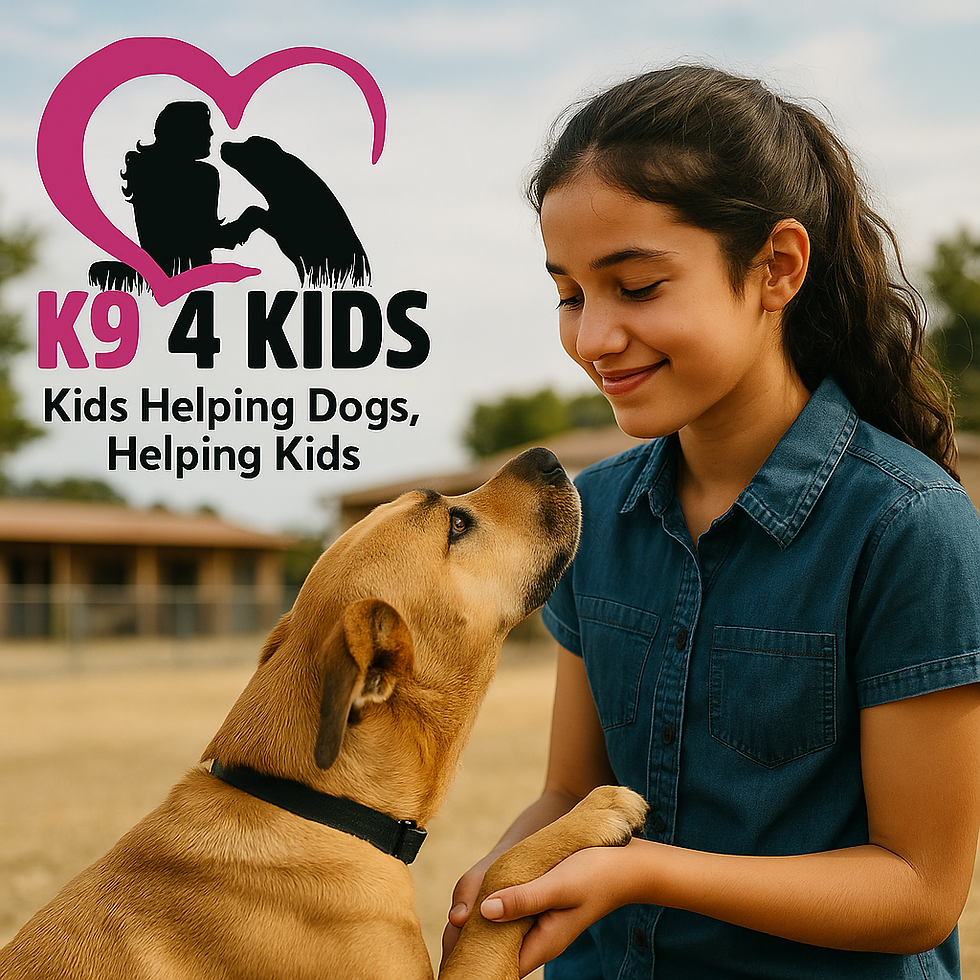
Adopting a dog from a rescue works best when you ask clear, focused questions about history, behavior, health, and lifestyle fit. Each answer helps you understand whether the dog matches your daily routine and your long term expectations. K9 4 KIDS provides local support through adoption programs, youth involvement, and big dog rehabilitation. If you want guidance or want to meet dogs currently in training, reach out through the K9 4 KIDS contact page and start your adoption process with confidence.
FAQ
What should you know about a rescue dog's past
You need to know whether the dog lived in a home, how it arrived at the rescue, and any details staff gathered during intake. These points help you predict early behaviors and adjustment patterns.
How do you know if a rescue dog is right for your lifestyle
Look at energy level, social behavior, and daily structure needs. A good match fits your schedule, home size, and activity habits.
Are rescue dogs hard to train
Most rescue dogs respond well to consistent training. They learn routines faster when you use simple cues and keep daily structure predictable.
What is the 3 3 3 rule for rescue dogs
The rule explains how long the adjustment takes. Three days to settle, three weeks to
build routine, and three months to feel secure.
What are red flags when adopting a dog
Warning signs include extreme fear that does not improve, aggression toward handlers, or health issues that were not disclosed during intake.


Comments