
How Can Donors Help Save Big Dogs Without Adopting One?


You do not need to adopt a big dog to help save one. A local donation pays for food, veterinary care, safe kenneling, washing, behavior work, transportation, training, and adoption preparation.
Rental rules, existing pets, travel, physical limits, and limited space often make adoption unrealistic. Declining an adoption under those conditions is responsible.
When you donate to a local dog rescue through K9 4 KIDS, your help stays close to the daily work. You support a dog's progress from shelter intake toward better health, calmer behavior, and a stronger placement. You also support supervised youth participation built around structure and responsibility.
Why Big Dogs Need More Donor Support
Large dogs often wait longer for placement because fewer homes meet their needs. Rental restrictions, small living spaces, existing pets, transportation limits, and concern about physical strength narrow the adopter pool. Size does not define temperament. It does affect housing options, equipment needs, food use, and handling plans.
The ASPCA shelter statistics report longer shelter stays for dogs than five years earlier. The Shelter Animals Count 2025 report documents national intake, transfers, adoptions, and non-live outcomes.
Every extra kennel day requires food, water, sanitation, laundry, exercise, enrichment, and observation. Inconsistent routines often increase barking, leash pulling, barrier frustration, or frantic exits.
The K9 4 KIDS Big Dog Rescue program supports the work between shelter risk and adoption. Donor support provides time for decompression, health care, handling practice, and careful placement.
Why Are Big Dogs Harder to Adopt From Shelters?
Large dogs face a smaller pool of suitable homes. Adopters often need landlord approval, adequate room, strong fencing, physical confidence, and a household plan for children or other animals. Rescue teams also need time to assess leash behavior, handling tolerance, and recovery after excitement.
How Do Small Rescues Help Overloaded Shelters?
A small rescue adds time and specialized care. A dog receives medical and behavioral review, starts decompression, and follows an adoption-readiness plan.
San Martin sits inside an active regional animal-care network. Santa Clara County Animal Services operates in San Martin and provides sheltering services for Morgan Hill, Gilroy, and other covered communities. South County rescues also support dogs tied to the South Bay and nearby San Benito County.
Where Dog Rescue Donations Go
Dog rescue donations should support visible work. A responsible rescue explains the steps between intake and adoption, general operating costs, and named-purpose gifts.
Expenses include shelter transfer, fuel, veterinary exams, vaccinations, microchips, spay or neuter procedures, medication, emergency treatment, large-breed food, crates, gates, durable leashes, fitted collars, laundry, disinfectants, grooming supplies, training equipment, adoption listings, meet-and-greets, and follow-up support.
Kennel hygiene requires a written routine. Staff remove waste, move the dog to secure holding, wash organic material from surfaces, apply animal-safe disinfectant at the correct dilution, respect contact time, rinse when directed, dry the space, and return clean bedding and bowls. Shared tools need cleaning between dogs.
Washing affects adoption readiness. Low-arousal handling starts before water touches the coat. The handler uses non-slip footing, avoids force near the face, watches body tension, and pauses before panic. Towel handling and paw contact reveal responses to home routines.
Where Does Money Go When You Donate to a Dog Rescue?
Your gift usually funds health, housing, behavior, or placement. Restricted gifts support a named dog or expense. Unrestricted gifts cover the highest current need. Monthly gifts support predictable costs such as food, sanitation, utilities, medication, and routine care.
Transparency should include clear donation categories, receipts, program updates, and honest limits. Regional agency figures offer context, but K9 4 KIDS should report its own verified costs.
What Does Adoption-Readiness Training Involve?
Adoption readiness is measured through routine transitions, not flashy commands. A handler watches whether the dog waits while a kennel door opens, accepts leash attachment without frantic mouthing, crosses a threshold under control, passes another dog at a workable distance, takes food politely, and reconnects after distraction.
Loose-leash work uses pressure and release. The handler applies light guidance, releases pressure as the dog returns to position, and rewards calm movement. Threshold work follows a sit, wait, open, and release sequence. Calm kennel exits reduce arousal before the walk begins.
Recovery matters most. Adoption readiness grows through hundreds of small, calm repetitions, not one dramatic breakthrough.
Ways to Help Save Big Dogs Without Adopting
Money is one form of support. Time, approved supplies, professional skills, transportation, and responsible promotion also move dogs toward adoption. The best choice fits your limits and meets a current rescue need.
A one-time gift helps with intake, medical bills, food, equipment, or repairs. A monthly unrestricted gift provides steadier operating support. Dog and kennel sponsorships connect donors with individual care needs. Employer matching raises an eligible gift's value.
Approved wish-list purchases help when the rescue specifies brands, sizes, and quantities. Large dogs need strong crates, fitted walking equipment, durable bedding, and consistent food. Random donations sometimes create storage problems or introduce products outside feeding and sanitation standards. Ask before buying.
Professional services also matter. Photography improves adoption profiles. Mechanics support transport vehicles. Printers reduce event costs. Accountants, trainers, groomers, website professionals, and grant writers fill defined needs. Social sharing works best with accurate behavior notes, location, adoption requirements, and an official contact path.
What Help Matters When You Cannot Adopt or Foster?
Choose one task with a clear result. Fund a veterinary exam, sponsor food, purchase from an approved list, transport supplies, support an event, share a verified profile, or offer a professional service. Reliable support beats an unplanned gesture.
Which Giving Method Is Most Useful?
Recurring gifts provide stability. Unrestricted gifts address urgent needs. Sponsorships give donors a close link to one dog or program. Supplies work best from a current list. Professional services work best after the rescue confirms a need and scope.
Is Donating to a Local Rescue Better Than Giving to a National Charity?
Neither option is automatically superior. National organizations often support disaster response, research, public education, policy work, grants, and large transfer networks. Small rescues focus closely on individual dogs, local shelter relationships, kennel operations, training, and community placement.
Local donations often feel more traceable because donors see the dogs, facilities, volunteers, adoption events, and community outcomes. A supporter in Morgan Hill, Gilroy, San Martin, the South Bay, or San Benito County has a shorter line between gift and result.
Traceability does not remove the need for review. Organization size does not prove quality. Donors should examine leadership, animal-care standards, legal status, financial reporting, communication, and restricted-gift practices.
The K9 4 KIDS mission combines big-dog rescue with supervised youth involvement. One contribution supports canine care while helping young participants practice consistency, observation, responsibility, and calm leadership.
Choose a local rescue when you value direct community involvement. Choose a national group when your priority involves broad programs, research, policy, or emergency response. Strong animal-welfare systems often depend on both.
How Do You Verify an Animal Rescue Nonprofit?
Start with the legal name and employer identification number. Use the IRS Tax Exempt Organization Search to review tax-exempt status and available filings. Check leadership, physical contact information, donation controls, care standards, and public reporting. Avoid payment requests involving gift cards, wire transfers, cryptocurrency, or a personal account.
Ask direct questions. Who approves medical spending? How are dogs assessed before adoption? What happens after a failed match? Clear answers signal operational discipline.
How K9 4 KIDS Supports Big Dogs and Youth Through One Program
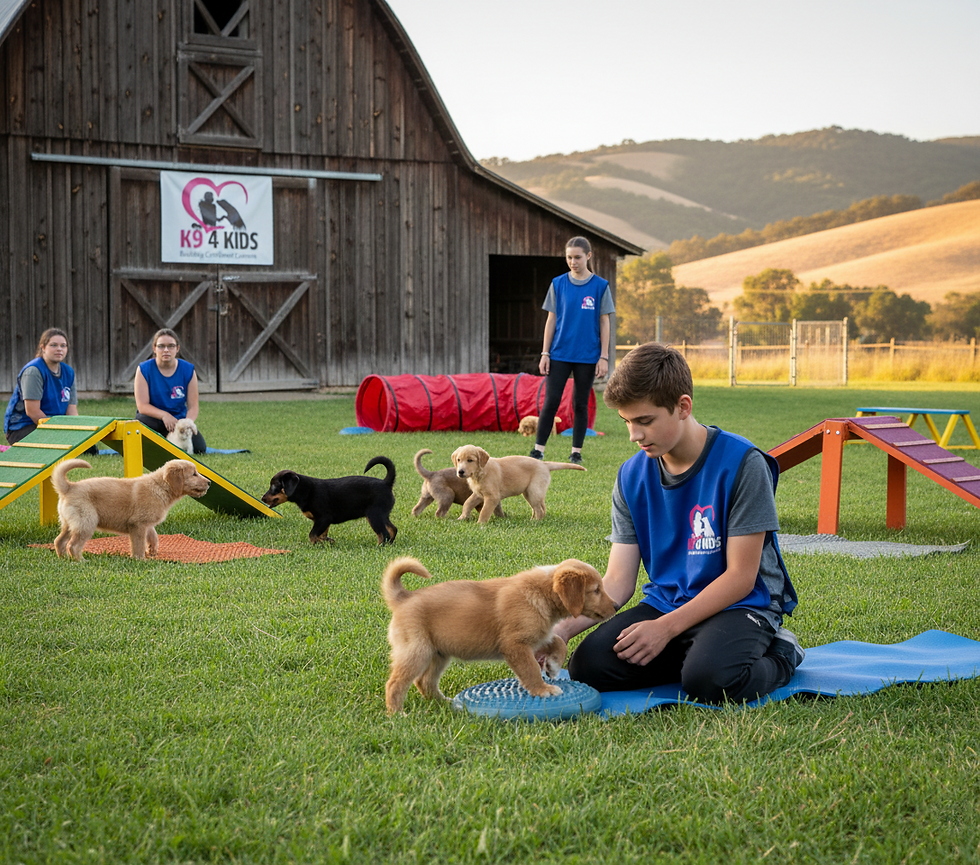
K9 4 KIDS links canine rehabilitation with supervised youth development. The dog receives repeated care and handling. The young participant receives a defined task, safety rules, adult coaching, and feedback.
A youth session begins with a briefing. The supervisor selects a suitable dog, reviews body language, assigns a limited task, and sets a stop point. The participant might prepare food, assist with washing, practice a calm kennel exit, walk a short loose-leash pattern, or record observations. The supervisor remains close.
Calm leadership matters more than force. Youth learn to lower their voice, control movement, protect distance, reward the right response, and pause when the dog shows stress. They also learn sanitation, follow-through, and respect for procedures. The dog receives consistent handling without being flooded.
The K9 4 KIDS youth programs should be described as mentoring and supervised animal-care work, not clinical therapy. Research on formal dog-assisted interventions offers context, but it does not prove identical results for every rescue or participant.
What Does a Supervised Youth-Dog Session Look Like?
The supervisor sets safety and task goals. The youth observes the dog before contact. The pair completes a short routine, followed by a quiet break. The supervisor reviews leash tension, timing, body position, and recovery. Notes guide the next session.
This structure protects both sides. The dog gains predictable handling. The youth practices patience, accountability, and calm decisions.
How Does Decompression Fit the Process?
A newly transferred dog needs reduced pressure before intensive training. The 3-3-3 guideline describes three broad adjustment stages. The first three days focus on rest and decompression. The first three weeks build routine and reveal behavior. The first three months support trust and household adjustment.
This guideline is not medical science, a deadline, or a promise. Some dogs settle sooner. Others need much longer. Rescue staff should follow behavior, health, history, and recovery instead of forcing progress to match a calendar.
Choose the Right Type of Support
Start with the result you care about most. Medical support helps a dog become physically stable. Kennel support funds clean housing, food, laundry, and daily care. Training support funds equipment and structured repetitions. Youth-program support funds supervision, safety, instruction, and organized participation. Unrestricted support lets leadership address the highest current need.
Next, choose a giving method. Monthly gifts provide steady impact. Named sponsorships connect donors with one dog or program. Wish-list purchases provide physical items. Professional services and fundraisers support defined needs.
Ask how the rescue communicates results. Look for clear updates, honest needs, secure payment methods, and direct answers. You should feel informed, not pressured. A good donor experience respects your budget, explains how support is used, and gives you a practical next step.
You do not need to bring a large dog home to move one closer to a safe adoption. Your support funds the health care, sanitation, handling, training, and patience required before adoption day.
Use the official K9 4 KIDS contact page to ask about current needs, dog sponsorships, approved supplies, volunteering, or youth-program support.
Frequently Asked Questions
Is It Better to Donate to a Local Rescue or a National Animal Charity?
The choice depends on your goal. A local rescue offers a closer connection to dogs, kennel needs, and community outcomes. A national charity often funds large programs, disaster response, policy, research, grants, or transport networks. Review transparency and leadership before giving.
What Does a Small Dog Rescue Use Donations For?
A small rescue uses donations for intake, transport, veterinary care, food, kenneling, sanitation, washing, equipment, training, adoption promotion, and follow-up support. Unrestricted gifts cover current needs. Restricted gifts support a named dog, expense, or program.
Why Do Large Rescue Dogs Need More Support?
Large dogs often need more food, larger equipment, stronger handling systems, and more placement time. Housing restrictions and limited space shrink the adopter pool. Longer stays also increase the sanitation, exercise, enrichment, observation, and behavior work required before placement.
Do Rescue Dog Programs Help Youth Facing Challenges?
Structured rescue work gives youth a place to practice routine, responsibility, observation, communication, and calm leadership. Safe programs use adult supervision, suitable dogs, short tasks, clear boundaries, and review after each session. They should not claim clinical treatment without qualified professionals and supporting evidence.
Does Donating Locally Help Reduce Shelter Pressure?
Local support gives rescues resources to accept dogs, provide care, prepare them for adoption, and reach qualified homes. Each successful transfer or placement supports movement through the regional system. The result depends on kennel capacity, staffing, medical resources, training time, and responsible matching.


Comments